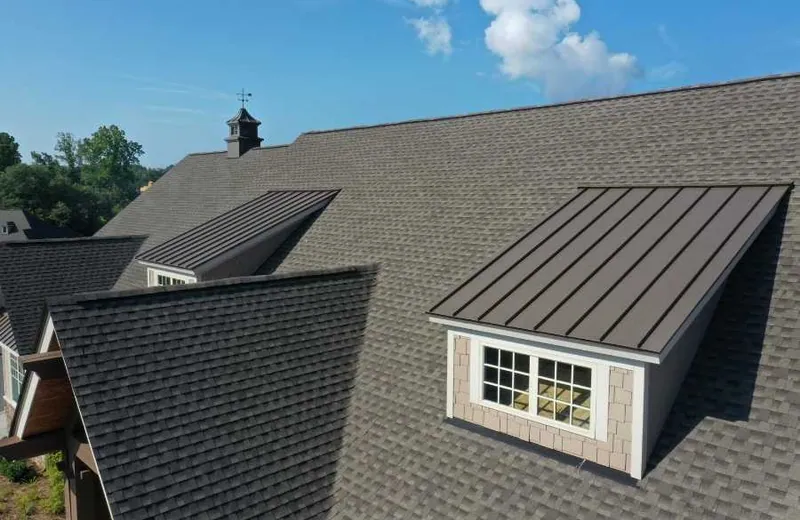
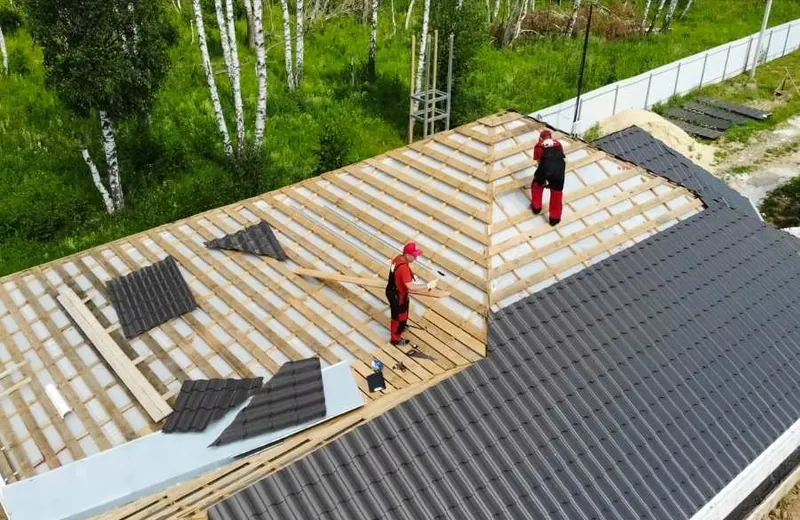
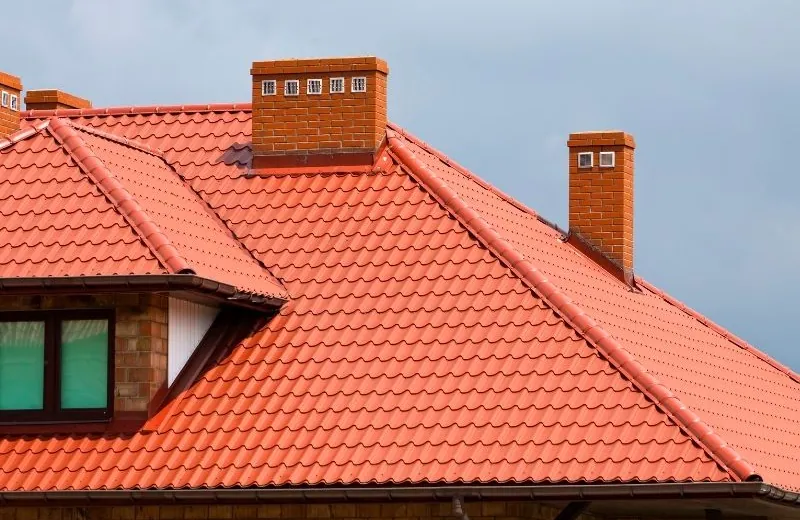
Licensed & Insured

Roofing Contractor in Malone, WI Built for Lake Winnebago Wind and Winters

Roofs on the east shore of Lake Winnebago have a harder life than most. West winds cross about 137,700 acres of open water before they reach Malone. Winters bring 40–50 inches of snow, plenty of freeze-thaw swings and ice dams that push meltwater up under shingles. Summer storms add hail and straight-line winds. Malone Roofing Team is a local roofing contractor that builds and repairs roofs for these conditions. That means high-wind nailing, real ice-and-water protection and attic ventilation that works, so your roof doesn't fail again next winter.

We work on lakeshore cottages in Pipe and Calumet Harbor, steep-gabled farmhouses and church roofs in Mount Calvary and St. Cloud, and post-war Cape Cods and ranches across Fond du Lac and North Fond du Lac. Each one comes with its own trouble: two layers of old shingles, plank decking, failing chimney flashing or knee-wall attics that breed ice dams. We know what's usually under the shingles before we tear them off, and we price our work honestly.

  • Bonded roofing contractor
  • Fully insured crews
  • Financing available

Homeowners, farm families, parishes and businesses around Lake Winnebago count on Malone Roofing Team for durable work, straight answers and fair prices. Many of our customers hear about us from their neighbors, and that's how we want to keep growing.

Request Your Free Estimate

No obligation. Fast, honest quotes.

Your information is never shared.

Online Estimates
Onsite Service
Licensed & Insured
Customer Rated
Local Expertise

Why Roofs Around Malone and Lake Winnebago Need Specialized Care

Living between Lake Winnebago and the Niagara Escarpment has its rewards, but it's hard on roofs. Lake wind, long freezing stretches, summer hail and more than a century of mixed construction mean an off-the-shelf roofing job usually doesn't last here.

Lake Wind, Ice Dams and Freeze-Thaw Cycles

January averages sit in the mid-teens, with single-digit nights and below-zero cold snaps every winter. Snowfall usually runs 40–50 inches a season, and some years bring much more. When sun or attic heat melts that snow, the water refreezes at the cold eaves and forms ice dams that force water under the shingles. In late fall and early spring, the temperature crosses 32°F again and again, which slowly opens cracks in sealant, flashing and chimney mortar. Lakeshore homes near Malone, Pipe and Calumet Harbor also take west and northwest winds that build over open water, and the Ledge to the east shapes how storms move through. From May to August, thunderstorms bring hail and straight-line winds across Fond du Lac County. The area gets roughly 30–34 inches of precipitation a year, and humid lake air feeds moss, algae and attic condensation.

A Building Stock Spanning 140 Years

Housing here ranges from 1880s Victorians near Lakeside Park and downtown Fond du Lac to late-1800s farmhouses in the Holyland with steep gables, dormers and brick chimneys. You'll also find 1950s–70s Cape Cods and ranches in North Fond du Lac, lake cottages turned into year-round homes, and subdivisions built from the 1990s to the 2020s. Older roofs often hide two layers of 3-tab shingles over plank decking with gaps, little or no ice-and-water underlayment and poor ventilation. Converted cottages may have low-pitch roofs, light framing and additions built piecemeal. Dairy farms add barns, machine sheds and pole buildings with ribbed metal roofs, and many rural owners want one contractor who can handle both the house and the outbuildings.

Codes, Permits and Consumer Protections

Single-family roofing falls under Wisconsin's Uniform Dwelling Code (SPS 320–325). The code requires an ice barrier that seals around nails, running from the eave edge to a point inside the exterior wall line, and that applies throughout this area. A roof can't have more than two layers of shingles, so a third layer means a full tear-off. Permit rules vary. The City of Fond du Lac and the villages of North Fond du Lac, Mount Calvary, St. Cloud and Eden run their own inspection programs, while Malone falls under Town of Calumet and county rules. Fond du Lac's Historic Preservation Commission may review material changes on landmark homes. Wis. Stat. 100.65 bars storm-damage contractors from promising to cover your insurance deductible and gives homeowners the right to cancel contracts that depend on an insurance claim.

A Value-Minded, Long-Term Homeowner Market

Fond du Lac has about 44,000 residents and a manufacturing, healthcare and agricultural economy. The towns around it are small, mostly German Catholic farm communities where people stay in their homes for decades. Household incomes sit near the Wisconsin median, so homeowners want clear quotes, reliable warranties and financing options. Lakeshore retirees and seasonal owners need someone they can trust to check the roof and handle storm damage while they're away. After every hailstorm, out-of-area storm chasers show up, which is exactly why local word of mouth carries so much weight here.

Know The Signs

Common Roofing Problems in Malone and Fond du Lac County

Most roof failures we see around Lake Winnebago trace back to a few local causes: ice, wind, age and moisture. Knowing why a problem happens helps you decide whether you need a quick repair or a bigger fix that stops it from coming back.

Ice Dams and Eave Leaks

Serious

An ice dam is a ridge of ice that forms at the roof edge when snow melts higher up and refreezes over the cold eaves. Meltwater pools behind the ice and works its way under shingles into the walls, ceilings and insulation.

Why it happens here

Malone gets weeks of below-freezing weather, sunny winter days and 40–50 inches of snow. Many older homes here have thin attic insulation and little ventilation, so heat escapes and melts snow from below. Cape Cods in Fond du Lac and North Fond du Lac have knee-wall attics that are especially prone to this. Many roofs installed before current code also have little or no ice-and-water underlayment at the eaves. Put those together and ice dams become the most common winter roofing complaint in the area.

Signs to watch for
  • Thick icicles hanging along gutters
  • Brown stains on ceilings near exterior walls
  • Damp or frosty attic insulation
  • Peeling paint or bubbling drywall under the eaves
  • Water dripping inside during a thaw
  • Gutters pulling away under ice weight
Local patterns

We see ice dams most often on Cape Cods in North Fond du Lac, 1920s bungalows near Lakeside Park and converted cottages in Pipe. They tend to peak in late January and February thaws, and roofs with complex valleys get hit hardest.

Our fix

Remove the ice safely, repair the damaged decking, install code-compliant ice-and-water underlayment and correct ventilation and insulation so heat stops escaping and melting the snow.

Wind Blow-Offs and Lifted Shingles

Serious

Strong gusts break the adhesive seal on shingles, then lift or tear them away. The underlayment is left exposed, and wind-driven rain can blow sideways under nearby shingles, often before the homeowner notices any missing pieces.

Why it happens here

West and northwest winds cross miles of open water on Lake Winnebago, and nothing slows them down before they reach lakeshore homes along the County roads near Malone and Calumet Harbor. Older 3-tab shingles that were hand-nailed with standard four-nail patterns weren't built for that kind of uplift. Summer thunderstorms add straight-line winds across Fond du Lac County. Shingles installed late in the season may never have fully sealed, which leaves them more likely to lift.

Signs to watch for
  • Shingle pieces in the yard after a storm
  • Creased or flapping shingle tabs
  • Exposed black underlayment or bare decking
  • Missing ridge caps
  • New leaks after a windy rain
  • Granules piled at downspouts
Local patterns

Blow-offs are most common on lake-facing slopes in Malone, Pipe and Calumet Harbor, plus exposed farmhouses on open ground near Brothertown and St. Peter. Spring and fall wind events cause the most damage.

Our fix

Replace the damaged shingles to match, re-seal the tabs around them, and on replacements use six-nail high-wind patterns and shingles rated for higher wind speeds.

Hail and Storm Damage

Serious

Hail bruises asphalt shingles, knocks off their protective granules, fractures the mat underneath and dents metal roofing, vents and gutters. The damage often isn't obvious from the ground, but it shortens the roof's life and can qualify for an insurance claim.

Why it happens here

Between May and August, severe thunderstorms regularly move across Fond du Lac County with hail, straight-line winds and occasional tornado warnings. The open farmland around Eden, Mount Calvary and St. Cloud gives these storms nothing to break them up. After a big storm, out-of-area contractors flood the region. Homeowners need an honest local inspection and documented evidence that will hold up with an insurance adjuster.

Signs to watch for
  • Dark, circular bruises on shingles
  • Granule loss exposing the asphalt
  • Dents in gutters, vents or downspouts
  • Cracked or split shingles
  • Dings on metal roofs or siding
  • Damaged window screens or AC fins
Local patterns

Hail tends to follow storm tracks across the open dairy country in Eden, St. Cloud and Marytown, where barns and machine sheds are damaged along with the house. Fond du Lac subdivisions see clusters of claims after the same storm.

Our fix

Inspect and photograph the damage, meet with your adjuster, then repair or replace the roof to the scope your claim covers, following Wisconsin storm-contractor law.

Failing Chimney and Valley Flashing

Moderate

Flashing is the metal and sealant that seals the joints where a roof meets a chimney, wall, dormer or valley. Once it cracks, rusts or pulls loose, water runs straight into the framing.

Why it happens here

Holyland farmhouses, Fond du Lac Victorians and church buildings often have tall brick or stone chimneys and roof lines full of valleys and dormers. Freeze-thaw cycles in late fall and early spring widen small cracks in mortar and sealant every year. Many older homes still have original or patched flashing that has been tarred over several times instead of properly replaced.

Signs to watch for
  • Stains on the ceiling or wall beside the chimney
  • Crumbling or missing chimney mortar
  • Tar patches piled on flashing
  • Rust streaks in valleys
  • Drips during heavy rain only
  • Musty smell in the attic near the chimney
Local patterns

This is common on 1880–1930 homes near downtown Fond du Lac and Lakeside Park, and on farmhouses in Mount Calvary, Johnsburg and Marytown with steep gables and multiple dormers.

Our fix

Replace the flashing with new step and counter-flashing, rebuild the valleys with proper underlayment and coordinate any mortar repair so the joint stays sealed through freeze-thaw seasons.

Rotted Decking Under Layered Shingles

Serious

Decking (sheathing) is the wood layer under your shingles. Years of slow leaks, condensation or ice dams make it soft, delaminated or rotten, and that damage often stays hidden until the old roof is torn off.

Why it happens here

Many area homes have two layers of shingles over original plank decking with gaps between the boards. The second layer traps moisture and hides decay. Humid summers and lake air, combined with poor attic ventilation, add condensation from below. Under code, a roof that already has two layers needs a full tear-off, and that's when problems with the plank boards and rafters come to light.

Signs to watch for
  • Sagging or wavy roof surface
  • Soft, spongy spots underfoot
  • Daylight visible through attic boards
  • Dark or moldy sheathing in the attic
  • Nails backing out of shingles
  • Shingles that look curled or lumpy
Local patterns

We find rotted decking most often in converted lake cottages in Pipe and Calumet Harbor, Cape Cods in North Fond du Lac and older farmhouses in Eden and St. Peter that were re-roofed over the original shingles decades ago.

Our fix

Tear off down to the framing, replace the damaged planks or add new OSB or plywood sheathing, then install full underlayment and a new roof system.

Moss, Algae and Attic Condensation

Minor

Moss and algae grow on shingles that stay damp and shaded, holding moisture against the roof. Attic condensation forms when warm, moist indoor air meets cold roof sheathing in an attic that isn't ventilated well enough.

Why it happens here

Lake Winnebago's humidity, summer temperatures around 80°F and wooded lakeshore lots keep north-facing slopes damp for days at a time. Older homes and cottage conversions often don't have balanced soffit and ridge ventilation. Moisture builds up year-round in the attic and frosts over in winter, then melts when the weather warms.

Signs to watch for
  • Black streaks on north slopes
  • Green moss clumps in shingle joints
  • Frost on attic nails in winter
  • Damp or matted insulation
  • Mildew smell upstairs
  • Lifted shingle edges where moss grows
Local patterns

This shows up most on tree-shaded lake homes in Malone, Taycheedah and Calumet Harbor, plus north-facing slopes on older homes near Lakeside Park in Fond du Lac.

Our fix

Clean the roof gently without pressure washing, install zinc or copper strips or algae-resistant shingles, and balance the attic intake and exhaust ventilation.

Snow Load Damage on Low-Slope and Farm Roofs

Emergency

Heavy, wet or drifted snow can overload low-slope roofs, porch roofs and outbuildings. It strains framing, splits membrane seams and, in the worst cases, causes sagging or partial collapse.

Why it happens here

Some winters bring well over 50 inches of snow, and lake-effect drifting piles it deep against walls and dormers. Converted cottages often have light framing and low-pitch roofs. Rural pole buildings and machine sheds have wide spans. Commercial buildings with EPDM or TPO roofs collect drifts that don't slide off.

Signs to watch for
  • Visible sag in the roofline
  • Doors or windows sticking suddenly
  • Cracking or popping sounds
  • Ponding water after a thaw
  • Split or puckered membrane seams
  • Bowed purlins in outbuildings
Local patterns

We see this on porch additions in Pipe and Malone, dairy barns and machine sheds near Mount Calvary and Eden, and flat-roof commercial buildings in Fond du Lac and North Fond du Lac.

Our fix

Clear snow safely, brace or tarp the roof right away, then repair the framing and membrane. Upgrading to properly rated structure or metal roofing helps prevent repeat damage.

What We Do

Roofing Services for Malone, Fond du Lac and Surrounding Communities

We handle residential and commercial roofs across the east shore and the Holyland. Each service is built for local conditions: lake wind, ice dams, hail and old framing. Our goal isn't just to fix today's leak. We want to keep the roof dry through the next Wisconsin winter.

Roof Repair

We fix leaks, replace missing or damaged shingles, reseal flashing, repair valleys and rebuild problem spots around chimneys, vents and skylights, on both asphalt and metal roofs.

Our approach

We trace the leak to its actual source, which is often far from the ceiling stain. Then we match the shingles as closely as possible and repair the underlayment before the shingles go back on. You'll see photos of the problem and the fix.

In Malone, WI

Freeze-thaw cracking and lake-wind blow-offs make up much of our repair work in Malone, Pipe and Calumet Harbor. On older Fond du Lac and Holyland homes, chimney flashing and valleys are the usual culprits, and we fix them properly instead of piling on more tar.

Best for

Roofs with plenty of life left that have isolated wind damage, flashing failures, small leaks or storm damage limited to one area.

Specialty

Roof Replacement

We tear off worn or layered roofs down to the decking, replace bad sheathing and install a complete new roof system with underlayment, ice barrier, flashing, ventilation and your choice of shingles or metal.

Our approach

We do a full tear-off rather than an overlay whenever there are two layers or the decking is questionable. We install UDC-compliant ice-and-water barrier, high-wind nailing patterns and balanced ridge and soffit ventilation, all following manufacturer instructions so the warranty stays valid.

In Malone, WI

This is ideal for aging 3-tab roofs on Fond du Lac ranches, two-layer roofs on Holyland farmhouses and lakeshore homes that need wind-rated shingles. We help you compare architectural asphalt with standing-seam metal for this climate.

Best for

Roofs that are 20+ years old, roofs with recurring leaks or ice dams, two-layer roofs, widespread hail damage or soft and sagging decking.

Roof Installation

We install new roofs on new homes, additions, garages and outbuildings, including architectural asphalt, standing-seam and ribbed metal, and EPDM or TPO on low-slope sections.

Our approach

We plan the details from the start, including the ice barrier, drip edge, valley design, ventilation and tie-ins to existing roofs, so a new addition doesn't become the next leak point.

In Malone, WI

Common projects include new homes in Fond du Lac's edge subdivisions (built to any HOA color rules), lake-home additions in Calumet Harbor and metal roofs on new pole buildings and machine sheds around Eden and St. Cloud.

Best for

New construction, additions, detached garages, farm outbuildings and homeowners switching to metal roofing for longevity.

Roof Inspection

We do a thorough check of the shingles, flashing, valleys, vents, gutters, decking and attic. You'll get a clear written summary of the roof's condition, how much life it has left and your options.

Our approach

We inspect both the roof surface and the attic, looking for ventilation balance, insulation gaps, condensation and decking stains. Everything gets documented with photos you can use for insurance, a home sale or planning.

In Malone, WI

Inspections are especially valuable after May–August hail, after a hard winter of ice dams or before you buy an older home in Fond du Lac or North Fond du Lac. Seasonal lake owners also use them to check on the roof while they're away.

Best for

Home buyers and sellers, post-storm checks, insurance claims, aging roofs and homeowners deciding between repair and replacement.

Roof Maintenance

Scheduled upkeep includes clearing debris, resealing flashing and pipe boots, securing loose shingles, treating moss and algae, and checking gutters and ventilation before winter.

Our approach

We do a fall visit before snow season and a spring visit after freeze-thaw season, fixing small problems while they're still cheap and noting anything to watch over time.

In Malone, WI

Maintenance is useful on shaded lake roofs in Malone and Taycheedah where moss grows, on older chimneys that need regular attention and on seasonal homes whose owners aren't around to notice early warning signs.

Best for

Homeowners who want their roof to last as long as possible, seasonal property owners and anyone with a mid-life roof in good shape.

Commercial Roofing

We repair, recoat and replace low-slope and steep-slope commercial roofs, including EPDM, TPO, metal and shingle systems on shops, offices, churches and agricultural buildings.

Our approach

We fix seams and flashing, correct ponding, upgrade insulation where it makes sense and schedule the work around your business hours so operations aren't interrupted.

In Malone, WI

We work on commercial buildings in Fond du Lac and North Fond du Lac, steep church and rectory roofs in the Holyland communities, and metal-roofed barns and machine sheds on dairy farms around Eden and Mount Calvary.

Best for

Business owners, parishes, landlords and farm operations that need one dependable contractor for several buildings.

Specialty

Emergency Roofing

We respond quickly to active leaks, storm damage, fallen trees, ice dam intrusion and snow-load stress. We tarp and secure the roof to stop further damage, then plan the permanent repair.

Our approach

We secure the roof with heavy tarps and temporary patches, remove ice dams safely with steam, never with hammers, and photograph everything for your insurance claim.

In Malone, WI

Winter in Malone limits what shingles can do, so emergency work often means tarping and ice removal until conditions allow a permanent fix. After summer storms, we put local homeowners ahead of the storm-chaser rush.

Best for

Active leaks, wind or hail damage, trees on the roof, sagging under heavy snow and seasonal homes damaged while the owner is away.
Simple & Transparent

How Our Roofing Process Works

Our process is straightforward and fits the short Wisconsin roofing season. You'll know what's happening, why it's needed and what it costs before any work starts.

Inspection and Assessment

  • We inspect the roof surface, flashing, valleys and gutters
  • We check the attic for ventilation, insulation and decking stains
  • We photograph all damage and problem areas
  • We note whether storm damage may be covered by insurance

On pre-1940 farmhouses and Victorians, we look closely for layered shingles and plank decking that could change the scope of the job.

Usually scheduled within a few days; 45–90 minutes on site

Clear Written Estimate

  • Line-item pricing for materials, labor and disposal
  • Repair vs. replacement options explained honestly
  • Allowance for possible decking replacement spelled out up front
  • Financing options reviewed if you want them

If a storm claim is involved, we follow Wis. Stat. 100.65. We never offer to cover your deductible, and you keep your right to cancel.

Typically within 1–3 business days

Permits, Materials and Scheduling

  • Confirm permit requirements with your municipality or town
  • Check HOA or historic-district rules if applicable
  • Order shingles or metal and confirm colors
  • Schedule around the weather forecast

Fond du Lac, North Fond du Lac, Mount Calvary, St. Cloud and Eden each have their own inspection rules. Malone falls under town and county jurisdiction.

1–4 weeks depending on season and permits

Installation or Repair

  • Protect landscaping, siding and driveways
  • Tear off and replace damaged decking as needed
  • Install ice barrier, underlayment, flashing and ventilation
  • Install shingles or metal with high-wind fastening

We schedule shingle work for warm enough days so the adhesive strips seal, which is especially important on wind-exposed lakeshore roofs.

Most homes 1–3 days; larger or complex roofs longer

Cleanup and Final Walkthrough

  • Magnetic sweep for nails across the yard and driveway
  • Haul away all debris
  • Walk the finished roof with you and share photos
  • Provide warranty and permit documentation

Seasonal lake owners can get a photo walkthrough remotely if they're away when the work wraps up.

Same day the work is completed
The Malone Roofing Team Difference

Why Homeowners Around Lake Winnebago Choose Malone Roofing Team

We Know East-Shore Roofs Inside and Out

A roof in Calumet Harbor faces different conditions than one in a Fond du Lac subdivision, and both differ from a Holyland farmhouse. We plan every job around what this area throws at roofs: lake wind off Lake Winnebago, 40–50 inches of snow, ice dams, freeze-thaw cracking and summer hail. That shapes how many nails go in each shingle, how far the ice barrier runs and how the attic is vented. Generic installs miss these details, and the leaks usually show up the first hard winter.

Bonded and Insured for Your Protection

Roofing is risky work, and you shouldn't carry that risk. Malone Roofing Team is bonded and insured, so you're protected if something goes wrong on your property during the job. It's one of the clearest differences between us and the out-of-area crews that show up after every hailstorm and leave once the claims dry up. Ask any contractor for proof of coverage before they climb a ladder at your house. We're glad to provide ours.

We Fix the Cause, Not Just the Symptom

Most ice dam leaks don't come from bad shingles. They come from heat escaping into the attic, poor ventilation and missing ice-and-water barrier. Repeated chimney leaks usually come from flashing, not from the brick. We find the real reason your roof is failing and fix it. That might mean balancing soffit and ridge vents, adding underlayment that meets the UDC ice-barrier requirement or rebuilding a valley properly instead of covering it with more tar. A roof that's fixed the right way won't need the same repair again.

Honest, Transparent Pricing

You'll get a written, line-item estimate that shows materials, labor, disposal and a clear allowance for decking replacement, since bad planks often aren't visible until the tear-off on older homes. If a repair will give your roof several more good years, we'll say so rather than push a replacement. Folks around Fond du Lac County value fair dealing and word-of-mouth reputations, and we price our work so you'd be comfortable recommending us to your neighbors.

Storm and Insurance Claim Help Done the Right Way

After hail or wind damage, we inspect the roof, photograph everything and meet with your adjuster so the damage is fully documented. We follow Wisconsin's storm-contractor law, Wis. Stat. 100.65. We'll never promise to pay or rebate your deductible, and you keep your legal right to cancel a contract that depends on a claim. That protects you and keeps your claim clean, which matters more than any 'free roof' pitch from a door-knocker.

Residential, Commercial and Farm Roofs Under One Contractor

Rural customers often need help with the farmhouse, the machine shed and the barn. Businesses may own a shingled office and a flat-roof warehouse. We handle asphalt, standing-seam and ribbed metal, and EPDM and TPO membranes, so you don't need to juggle three contractors. That's especially handy for dairy farms around Eden, Mount Calvary and St. Cloud, and for parishes managing a steep church roof along with a rectory or school building.

Emergency Response and Flexible Financing

Roofs don't fail on convenient schedules. When a storm tears off shingles or an ice dam sends water through your ceiling, we tarp, secure and document the damage quickly to limit the harm inside. For larger projects, financing is available, so a needed replacement doesn't have to wait until another winter of leaks has damaged insulation and drywall. Spreading out the cost lets you do the job right the first time.

Trusted Locally

A Local Roofing Contractor You Can Trust

Homeowners, farm families, parishes and businesses around Lake Winnebago count on Malone Roofing Team for durable work, straight answers and fair prices. Many of our customers hear about us from their neighbors, and that's how we want to keep growing.

20-Mile
Service Radius from Malone
7
Roofing Services Offered
Residential + Commercial
Roofing Expertise
Bonded & Insured
Protection on Every Job
BondedInsuredFinancing available
Where We Work

Roofing Service Areas Around Malone and Fond du Lac County

Based in Malone, we serve homes, farms and businesses within about 20 miles, from the Lake Winnebago shoreline through the Holyland villages and into the Fond du Lac metro area. Every community here has its own roofing challenges, and we know them well.

Lake Winnebago East Shore

MalonePipeCalumet HarborTaycheedahBrothertown

Holyland and Rural Villages

Mount CalvarySt. CloudMarytownJohnsburgSt. PeterEden

Fond du Lac Metro

Fond du Lac – Lakeside Park areaDowntown Fond du LacNorth Fond du LacTown of Fond du Lac

Not sure if we cover your area? Call (920) 635-2068.

Transparent Pricing

Roofing Costs in Malone and Fond du Lac County

Roofing prices around Lake Winnebago depend on more than square footage. Steep farmhouse pitches, layered shingles, hidden decking rot and wind-rated materials all affect the final number. Here's what drives costs locally and what typical projects run.

Primary Factor

Roof Size and Pitch

Roofs are priced by the square (100 square feet). A simple 4/12 ranch in North Fond du Lac goes much faster than a 12/12 Holyland farmhouse with dormers, which needs extra safety equipment, staging and labor. Steep church and Victorian roofs can cost 25–50% more per square than a walkable roof of the same size, because the crew moves more slowly and every bundle of shingles has to be secured on the slope.

Primary Factor

Tear-Off Layers and Decking Condition

Many older homes here have two layers of shingles, and under code that means a full tear-off. Removing extra layers adds disposal and labor costs. Original plank decking with gaps or rot often needs new OSB or plywood sheathing, which usually runs a few dollars per square foot. We include a clear decking allowance in every estimate so a surprise at tear-off doesn't turn into a surprise on your bill.

Primary Factor

Material Choice

Architectural asphalt shingles are the most common choice and offer good value. Wind-rated and impact-resistant lines cost more, but they hold up better on lakeshore homes and during hail season. Standing-seam metal usually costs two to three times as much as asphalt up front, but it can last decades longer, shed snow well and resist wind uplift, which is why more homeowners here are choosing it.

Secondary Factor

Ice Dam Protection and Ventilation

Code-required ice barrier at the eaves is standard, and on ice-prone roofs we often recommend running it farther up the slope and through the valleys. Fixing ventilation with new soffit intake, ridge vents or baffles, and sometimes adding attic insulation, adds to the cost but is often the only lasting cure for chronic ice dams on Cape Cods and older homes.

Secondary Factor

Flashing, Chimneys and Complexity

Every chimney, skylight, valley, dormer and wall joint takes extra materials and time. A cut-up Queen Anne roof near Lakeside Park can need twice the flashing work of a simple gable. Chimneys with crumbling mortar may need masonry repair before new flashing can seal properly. Permit fees and historic-district reviews in Fond du Lac can also add modest costs.

Typical projectDetailsEstimated range
Wind or flashing repairReplace 1–2 squares of blown-off shingles or reflash a chimney on a lakeshore home in Malone or Pipe$450 – $1,800
Ranch or Cape Cod asphalt replacementRoughly 1,600–2,000 sq ft, single-layer tear-off, architectural shingles, ice barrier and ridge vent, North Fond du Lac or Fond du Lac$11,000 – $18,500
Two-layer farmhouse replacementSteep 10/12–12/12 pitch, dormers, brick chimney, two-layer tear-off with partial plank-deck replacement, Mount Calvary or St. Cloud$19,000 – $34,000
Standing-seam metal upgradeAbout 2,000 sq ft lake home in Calumet Harbor, full tear-off, new underlayment and trim$28,000 – $52,000

Financing is available, so you can replace a failing roof now instead of putting it off through another winter of leaks. Ask about options when we go over your estimate. A properly built roof protects your insulation, drywall and framing from expensive water damage. Fixing ventilation and the ice barrier now usually costs far less than repairing one winter of ice-dam leaks.

Questions & Answers

Roofing Questions from Malone and Fond du Lac Homeowners

How much does a new roof cost in the Malone and Fond du Lac area?

Most asphalt roof replacements on typical ranches and Cape Cods here cost between about $11,000 and $18,500. Steep farmhouses with two layers to tear off and decking to replace often run $19,000 to $34,000, and standing-seam metal usually starts in the high $20,000s. Pitch, the number of existing layers, decking condition, chimneys and valleys, and your choice of material are what move the price most. We give you a line-item written estimate with a clear decking allowance, so you know what's included before work starts. Financing is available if you'd like to spread out the cost.

How long does a roof replacement take?

Most homes in Malone, North Fond du Lac and Fond du Lac take one to three days on site. Steep, complex roofs like Holyland farmhouses, Victorians near Lakeside Park or church buildings can take longer, especially if we find rotted plank decking during tear-off. Before work begins, allow one to four weeks for permits, material orders and scheduling, and longer at the peak of summer and fall. Weather matters too. We schedule shingle work for days warm enough for the adhesive strips to seal properly, which matters a lot on wind-exposed lakeshore roofs.

Do I need a permit to replace my roof?

It depends on where you live. The City of Fond du Lac and the villages of North Fond du Lac, Mount Calvary, St. Cloud and Eden each have their own building inspection rules, and some require permits for re-roofing or for replacing structural decking. Malone is unincorporated, so Town of Calumet and Fond du Lac County rules apply. Homes in Fond du Lac's historic districts may also need approval from the Historic Preservation Commission for changes in materials or appearance. We check the requirements with your jurisdiction before starting, so the work passes inspection and stays compliant with the Uniform Dwelling Code.

How do I stop ice dams from coming back every winter?

Ice dams form when attic heat melts snow on the roof and the water refreezes at the cold eaves. Lasting prevention usually takes three things together. First, seal air leaks and add insulation in the attic. Second, balance the ventilation with soffit intake and ridge exhaust so the roof deck stays cold. Third, install ice-and-water barrier from the eave edge to a point inside the exterior wall, as Wisconsin's code requires, and often through the valleys too. Heat cables and roof rakes only treat the symptom. Cape Cods with knee-wall attics usually need targeted ventilation and insulation work around those knee walls.

When should I repair my roof, and when should I replace it?

Repair makes sense when the damage is limited to one area, like a few blown-off shingles, a failed chimney flashing or one leaking valley, and the rest of the roof is in good shape. Replacement is usually the better value when 3-tab shingles are 20 or more years old, granules are washing into the gutters, leaks keep showing up in different places, hail has damaged most of the roof or you already have two layers. Another layer isn't allowed, so the next job has to be a tear-off anyway. Our inspection includes an honest opinion on how much life your roof has left.

When should I call a roofer instead of waiting until spring?

Call right away if water is coming through the ceiling, the roof is sagging under snow, a tree has hit it or a storm has exposed the decking. Water damage spreads quickly into insulation and framing. Even in a Malone winter, we can tarp, remove ice dams safely and secure the roof until a permanent fix can be made. For smaller issues, like a few missing shingles after a fall windstorm, schedule an inspection soon so you can get on the calendar before the busy season fills up. Seasonal lake owners should have the roof checked after any major storm while they're away.

Will you help with my insurance claim after hail or wind damage?

Yes. We inspect the roof, document the damage with photos and measurements, and can meet with your adjuster so nothing gets missed. We follow Wisconsin's storm-contractor law, Wis. Stat. 100.65. Contractors can't promise to pay or rebate your deductible, and you have the right to cancel a contract that depends on your insurance claim being approved. Be cautious of out-of-area crews who knock on doors after Fond du Lac County hailstorms with 'free roof' offers. A local, bonded and insured contractor will still be around if questions come up later.

Is metal roofing or architectural asphalt better for homes near Lake Winnebago?

Both work well when they're installed correctly. Architectural asphalt costs less up front, comes in many colors, which helps in HOA subdivisions, and performs well when installed with high-wind nailing and a full ice barrier. Standing-seam metal costs roughly two to three times as much but can last decades longer, sheds snow readily, resists wind uplift and holds up well against freeze-thaw cycles. That makes it a strong choice for exposed lakeshore homes in Malone and Calumet Harbor, and for farm buildings. We'll walk you through lifespan, cost and appearance so you can decide what fits your home and budget.

Find Us

Serving Malone, WI & Nearby

10710 US-151, Malone, WI, 53049

Ready When You Are

Schedule Your Roof Inspection with Malone Roofing Team

Whether it's an ice dam leak in February, a blow-off from lake wind or a worn-out 3-tab roof, you'll get an honest assessment from a local roofer who knows these roofs. Let's get your roof ready for the next Wisconsin winter.

  • Detailed inspection of the roof and attic, with photos
  • Clear, line-item written estimate with no hidden surprises
  • Honest advice on repair versus replacement
  • Ice dam, ventilation and high-wind solutions built for Lake Winnebago conditions
  • Insurance claim documentation and adjuster support
  • Bonded and insured crews protecting your property
  • Financing available on larger projects

Serving Malone, Pipe, Calumet Harbor, Taycheedah, Mount Calvary, St. Cloud, Eden, North Fond du Lac, Fond du Lac and communities within about 20 miles.

Active leak, storm damage or sagging under snow? Call us right away for emergency tarping and ice dam help.

Bonded · Insured

Malone Roofing Team Free estimates across Malone, WI